
Ayurvedic Rasayana & Ojas Vitality: Cellular Longevity Protocol #6608

By Dr. Pratibha Tripathi · Senior Ayurveda Consultant, PhD Scholar & Assistant Professor
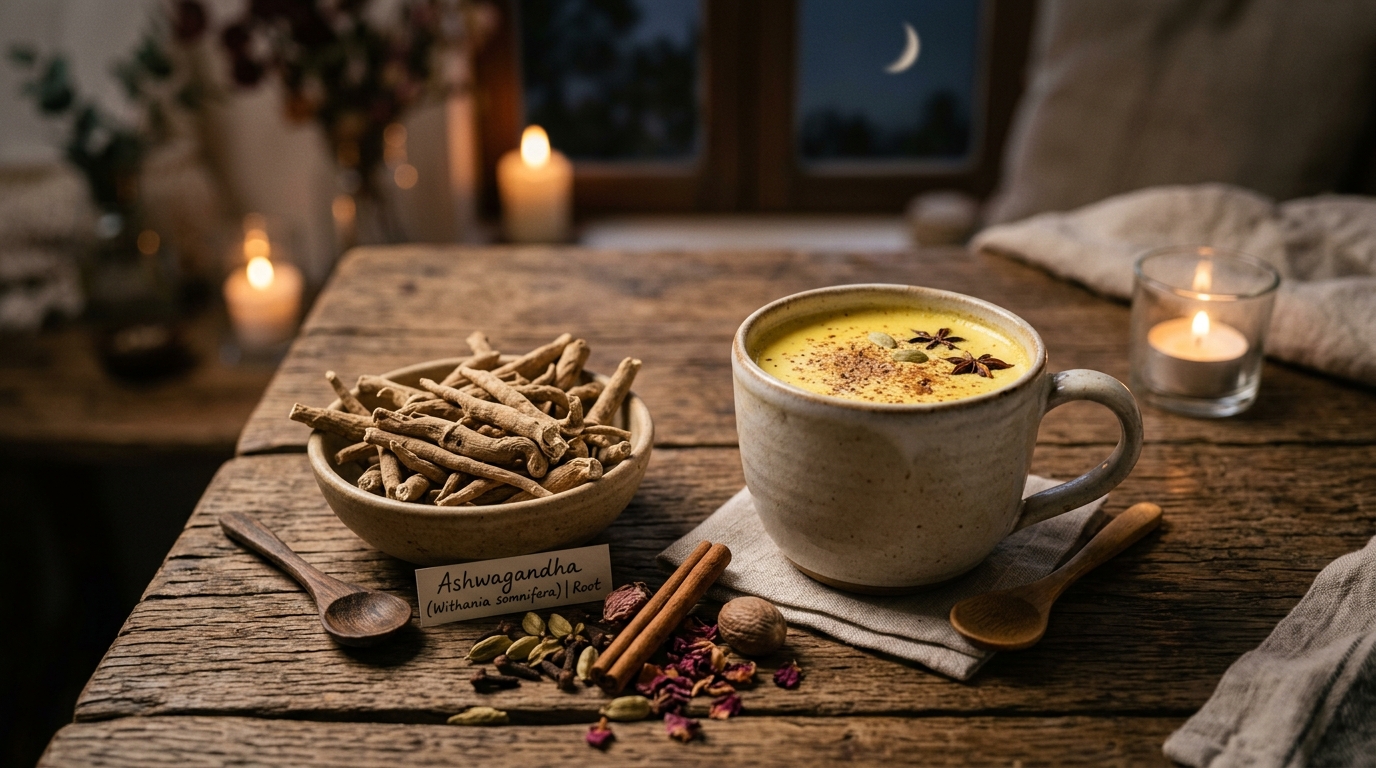
Ayurvedic Rasayana & Ojas Vitality: Cellular Longevity Protocol #6608
A clinical Ayurvedic protocol on Rasayana botanical therapies, stabilizing metabolic Agni and nourishing Ojas for enduring cellular vitality.

Rasayana therapy represents the pinnacle of classical Ayurvedic gerontology and cellular rejuvenation.

In clinical practice, sustaining Ojas—the bio-energetic essence of tissue transformation (Dhatu Paka)—depends directly upon the equilibrium of digestive fire (Agni). When Agni is optimum, Ama (endogenous toxins) cannot accumulate.

Key Synergistic Formulations: 1. Ashwagandha (Withania somnifera): Deep somatic adaptogen pacifying Vata and supporting neuro-endocrine recovery. 2. Guduchi (Tinospora cordifolia): Renowned Rasayana pacifying Pitta and boosting humoral immune resilience. 3. Amalaki (Emblica officinalis): Concentrated source of natural tannins and Vitamin C, balancing all three Doshas.

Regular practice of Dinacharya combined with classical botanicals ensures optimal longevity and immune vigor.

๐Ÿ“– Original Clinical Publication:
Read the complete article with citations and practitioner notes on Dr. Pratibha's official website:
https://www.pratibhatripathi.com.np/blog/ayurvedic-rasayana-ojas-vitality-cellular-longevity-protocol-6608


๐ŸŒฟ Connect with Dr. Pratibha Tripathi Across Platforms:

Comments

Popular posts from this blog

Understanding Tridosha Balance in Seasonal Transitions

Understanding Tridosha Balance in Seasonal Transitions Discover how Ritucharya (seasonal regimen) preserves Agni and prevents dosha imbalance during seasonal shifts. In Ayurveda, health is defined as a harmonious state of Vata, Pitta, and Kapha... Ritucharya provides timeless guidelines for nutrition, lifestyle, and herbal support to maintain vital energy year-round. Read full article on our website →

Ayurvedic Home Care for Common Cold: A Practical Evidence-Based Guide

By Dr. Pratibha Tripathi · Senior Ayurveda Consultant, PhD Scholar & Assistant Professor Learn practical Ayurvedic home-care measures for common cold, including diet, herbs, hydration, rest, red flags, and when medical evaluation is needed. Introduction The common cold is one of the most frequent self-limiting respiratory illnesses, commonly presenting with nasal congestion or discharge, sneezing, sore throat, cough, fatigue, and mild fever. In most otherwise healthy adults, symptoms improve gradually with adequate rest, fluids, nutrition, and supportive care. From an Ayurvedic perspective, symptoms resembling the common cold are commonly discussed under conditions such as Pratishyaya, with different presentations reflecting disturbances involving Vata, Kapha, and, in some cases, Pitta. Excess mucus, ...

Withanolides Demystified: The Secret to Buying Ashwagandha That Actually Works

By Dr. Pratibha Tripathi · Senior Ayurveda Consultant, PhD Scholar & Assistant Professor Not all ashwagandha is equal. The real power lies in its withanolides, but the label, the plant part, the extract type and the testing matter just as much. Learn how to read a label like an Ayurvedic scholar and choose a product that is effective and safe. Why Your Ashwagandha May Not Be Working Ashwagandha (Withania somnifera (L.) Dunal) is one of the most popular herbs in the world, and one of the most inconsistent. Two bottles can both say "Ashwagandha 500 mg" on the front, yet differ greatly in quality, potency and safety. The difference usually comes down to one group of compounds: withanolides. What Are Withanolides? Withanolides are steroidal lactones, a family of bioactive compounds found in th...